







Q: Why is it so hard for some people to ask for help? My mother is so stubborn and will resist my help every time I offer.
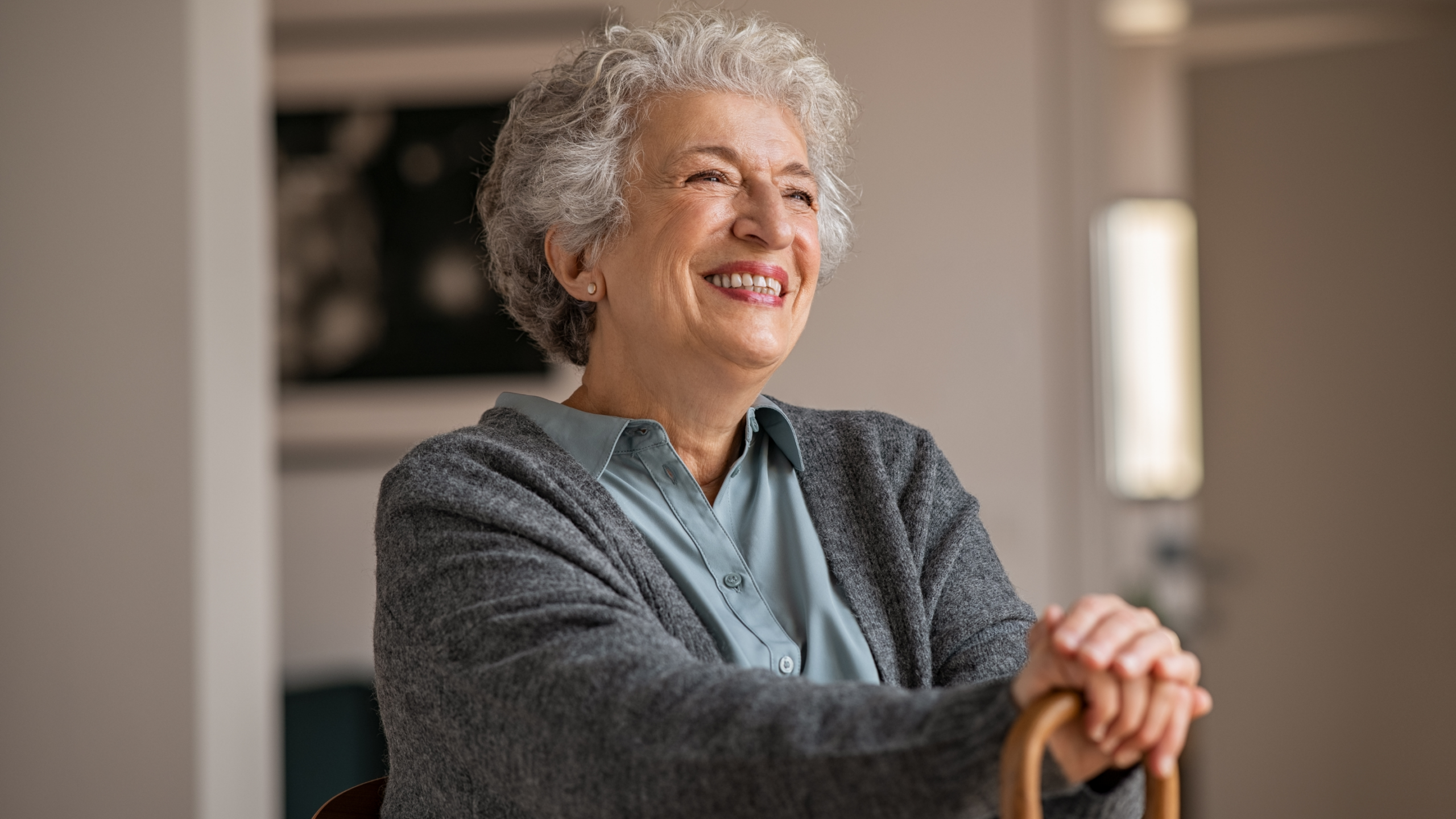
A: Accepting help can be challenging at any stage of life, and this difficulty often escalates with age. It is frequently associated with a feeling of vulnerability or the fear of becoming a liability to others.
I recently heard the expression, “I don’t want to bleed all over them,” and I was taken aback by a vivid and intense reaction to the phrase. It is a metaphor meaning the speaker wants to avoid imposing their own emotional pain, problems, or negativity on other people; a more aggressive way to say they do not want to be a burden.
Most older adults were raised with a strong sense of self sufficiency. The phrase, “pull yourself up by your bootstraps,” was common and self-reliance was the goal. This expression is associated with the Baby Boomer and Silent Generation’s mindset.
Younger generations, like Millennials, are more skeptical of the idea that hard work alone guarantees success. They were raised to see the importance of social connections and systemic factors in achieving success. This outlook makes them generally more willing to accept assistance as a necessary step in accomplishments.
As people age, they worry significantly about losing independence. Knowing how much the older generations value self-sufficiency, this makes sense. In fact, losing independence is ranked as a top fear as people age, alongside memory loss and physical health.
Understanding the root behind these feelings can help you find better ways to approach your mother when offering help.
Recently, my mother had the flu and lives alone in another state. She has plenty of support near her and people who can bring her anything she needs. However, I realized she was not allowing anyone to help. I offered to have groceries delivered to her.
At first, she declined, but I was able to convince her that it would only take me a few minutes, and it would make me feel better knowing she had what she needed. She provided me with a short list. I resisted the urge to add items that I wanted to because I felt that if I did too much, she would not accept the help the next time I offered.
We planned for me to teach her how to make a grocery delivery order so that she can do it herself the next time.
While it can feel frustrating to those wanting to help, it is important to have patience and try to find ways to reframe the conversations. Consider your mother’s core values.
For example, if remaining in her own home is her priority, then explain your assistance as a way to provide a safety net to ensure she can stay in her home as long as possible in a safe way.
Unless there is significant cognitive decline, your mother has the autonomy to make her own decisions, even if you do not agree.
Sometimes people are more willing to accept guidance and support from others, not their closest family members. Think about who she listens to and consider including that person in the conversations.
Start with the things that are safety concerns and move slowly. Ask her why she may decline your help and offer her honest listening and understanding. Share your feelings from your perspective while also giving her the same opportunity.
Some things may be important to gently press and explore due to safety concerns, and others may be worth letting go and allowing her the space to say no.
Navigate this situation with empathy. The goal is to first understand her reasoning behind refusing your help and then proceed with love and patience.
Martha Shapiro can be reached at Senior Concerns at 805-497-0189 or by email at mshapiro@seniorconcerns.org.